
Aluminium folding doors have turned out to be a popular choice of doors for houses, offices, restaurants, and businesses that need to create a large space by opening up an expansive wall area. While normal hinged and sliding doors do not have that capability, Aluminium Folding Door enable the panels to fold into each other, making way for a large, unbroken opening of the wall. If you have ever thought about the process involved in making aluminium folding doors – from the extruded aluminium to the final product – here is a detailed explanation.
For architects, contractors and homeowners planning to install folding doors, having knowledge about how folding doors are made helps in making better choices.
Why Aluminium Folding Doors Are So Popular
The use of folding doors becomes most applicable when it comes to places where openness takes precedence — balconies, patios, facades of restaurants, and living rooms opening on to gardens. Aluminum is the best choice in this case due to its combination of strength and lightness, which will allow the door to support large panes of glass yet still fold easily. Aluminum is resistant to corrosion, requires little maintenance, and has a sleek appearance.
Systems of folding doors can be found alongside other aluminum doors — aluminum sliding door and aluminum partition door.
Step 1: Site Measurement and Design Planning
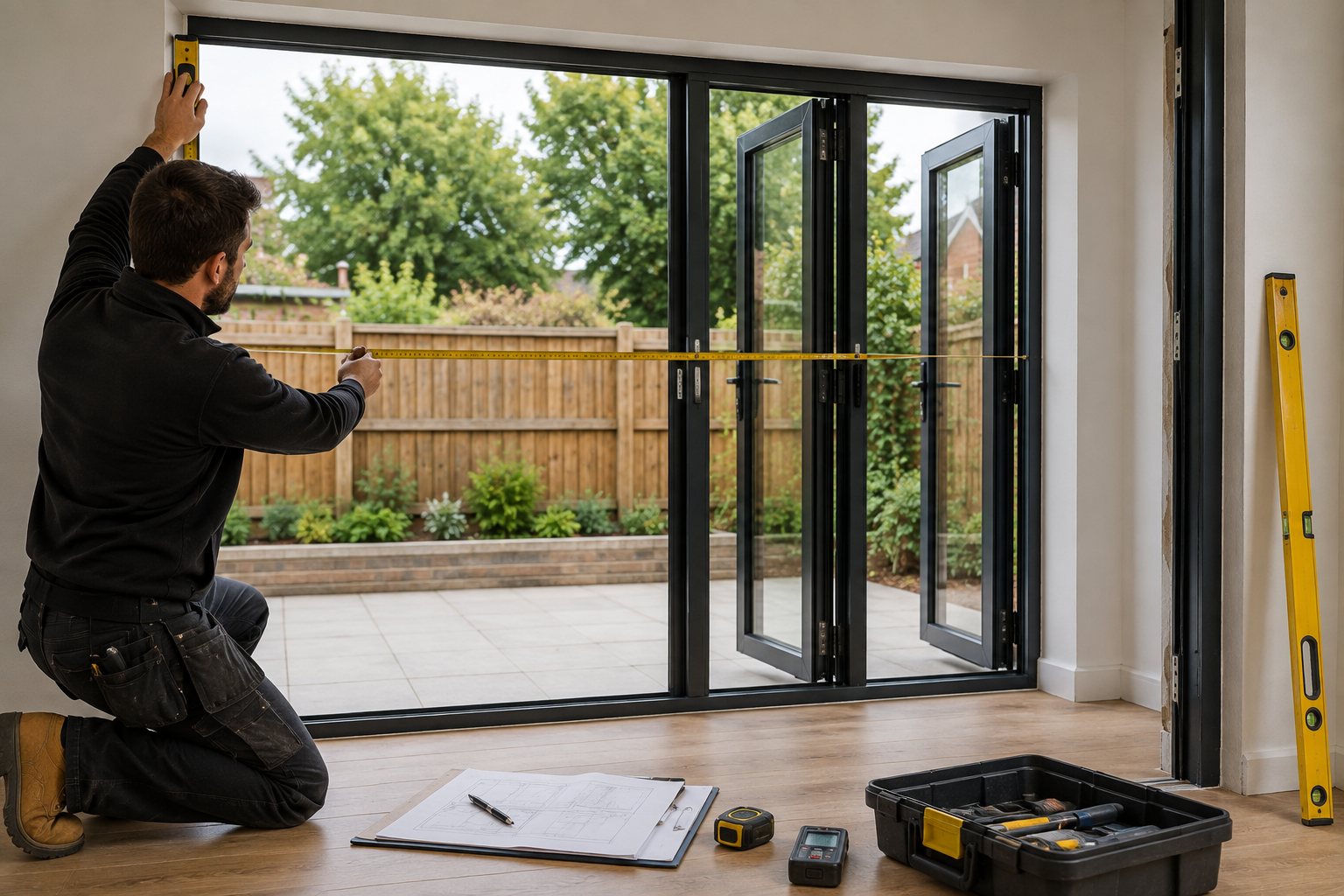
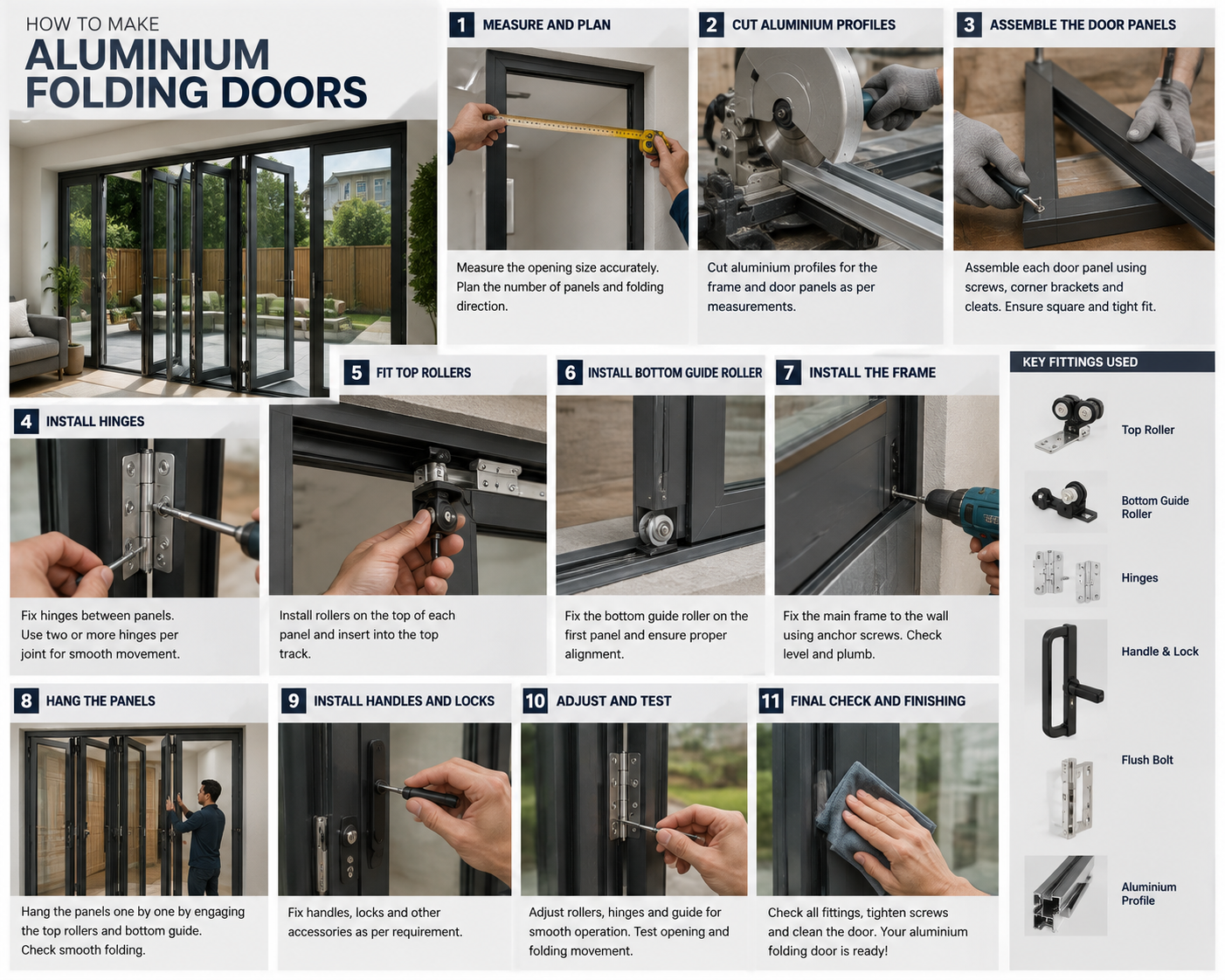
Each foldable door begins with an accurate assessment of the site. The folding door manufacturer takes note of the exact width and height of the opening; chooses how many panels there should be (usually 3 to 7 panels according to the width); and establishes the stacking orientation of the panels, which could either be on the left, right, or both sides of the door.
Such planning is critical at this point as folding doors require more joints compared to regular doors, and therefore small mistakes in measurement could lead to misalignment.
Step 2: Selecting the Aluminium Profile
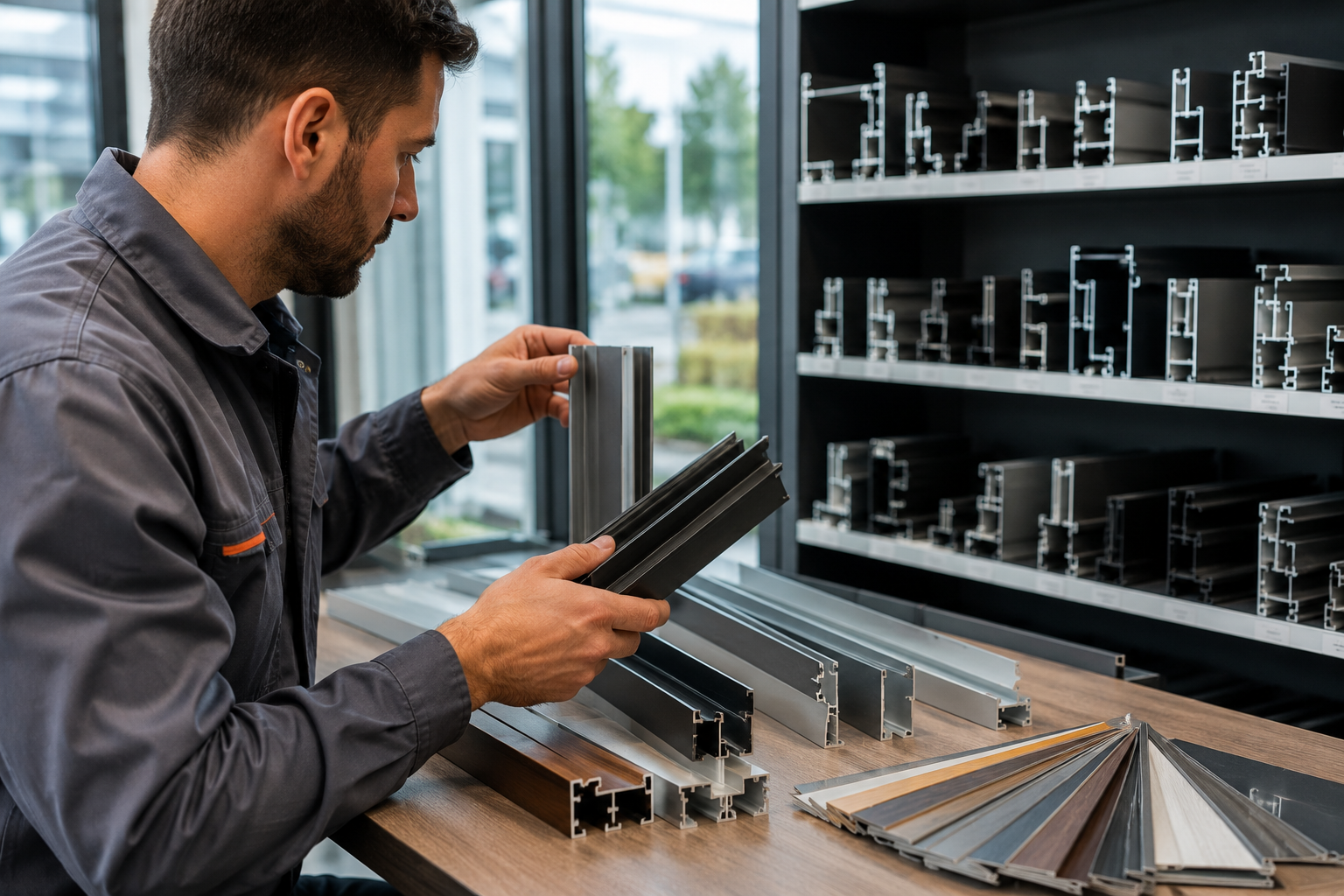
The next process will be selecting the correct aluminum profile for the folding mechanism. Profiles that are used in folding doors are usually thinner compared to those used in sliding doors in order to enable the panels to fold tightly, although they must also be sturdy enough to carry the glass panels. The options include:
- Standard profiles – for residential balconies and patios
- Heavy duty profiles – for large commercial applications
- Insulated profiles – for improved thermal insulation in severe climates
This profiling system selection is very close to the larger Sliding Series line of products since folding and sliding doors typically use similar hardware principles.
Step 3: Cutting the Aluminium Sections
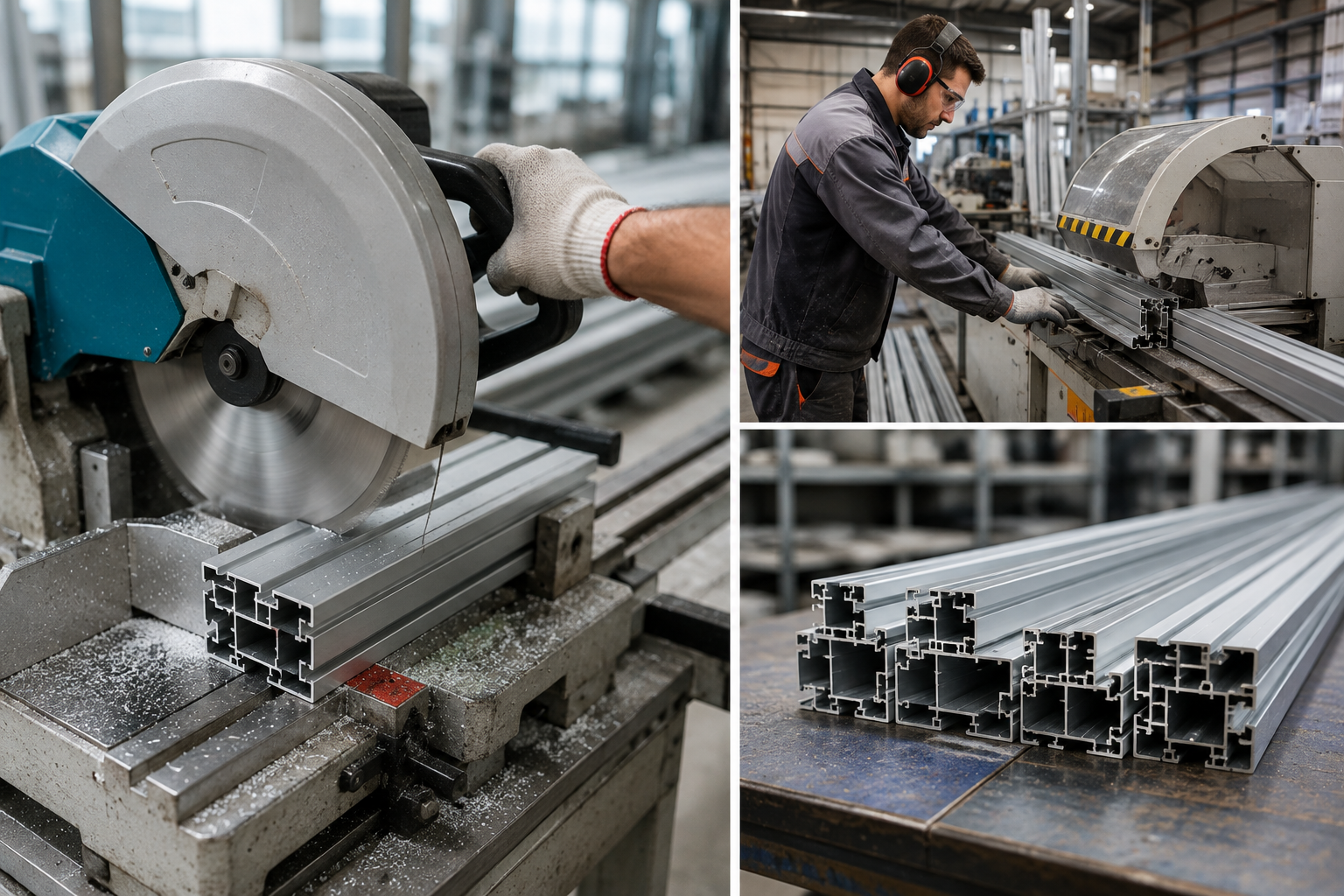
After the design of the profile is complete, the aluminium extrusion is then cut to the correct lengths for the frame, top rail, bottom rail, and also for each panel’s stiles. This process becomes even more important in the case of folding doors due to the fact that they consist of several similar or mirror panels.
Step 4: Machining and Panel Joinery
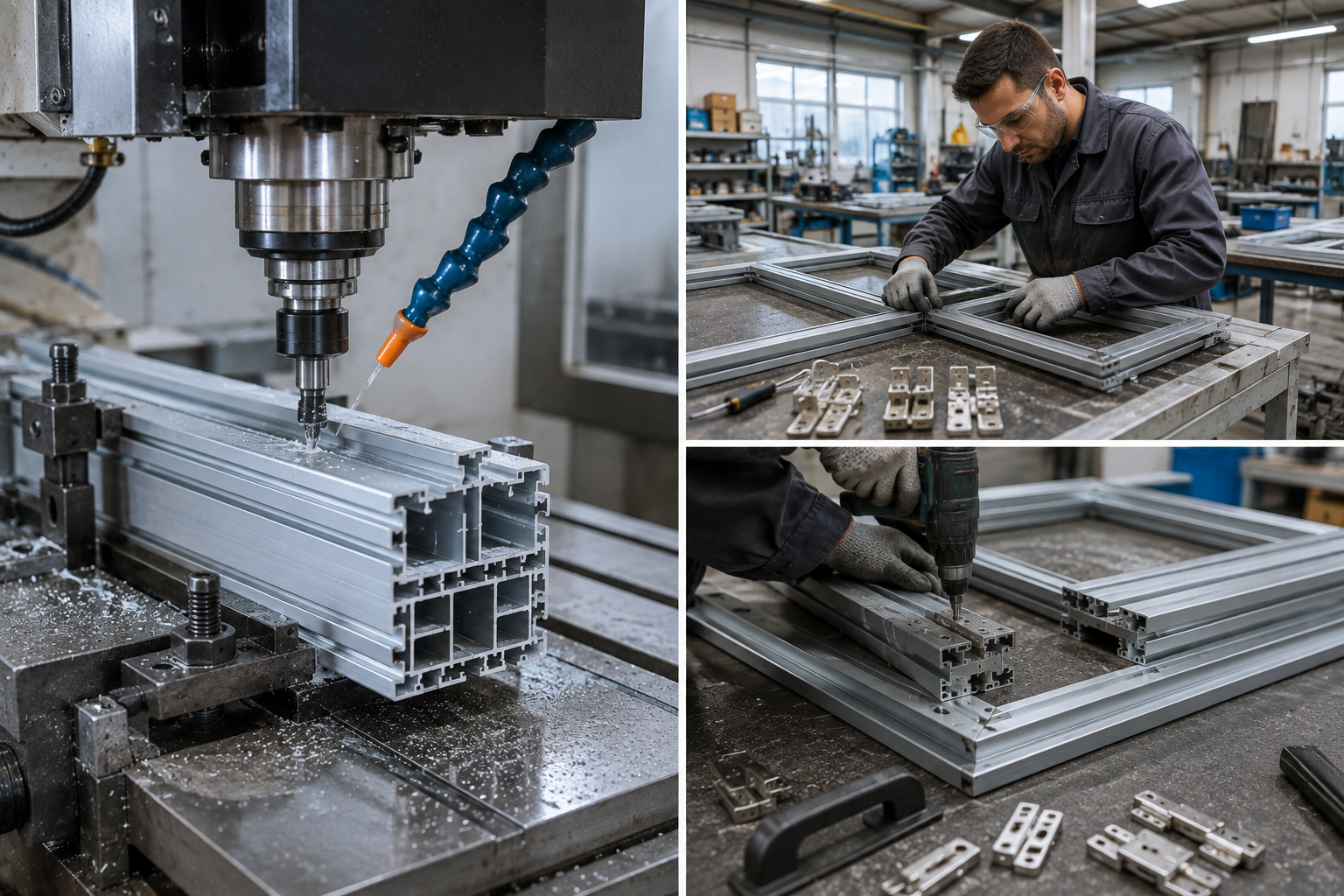
The cut pieces of aluminum are machined – notched, drilled, and fitted with hinges and joints. Cleats made out of either aluminum or nylon are attached to the corners of the frames of the panels to help maintain stiffness and alignment throughout years of constant opening and closing.
The hinges of adjacent panels are a special focus during construction due to the stress that is put on the junctions during every fold. Weak joinery here is one of the most common reasons why folding doors sag or get misaligned.
Step 5: Fitting Hinges, Rollers, and Hardware
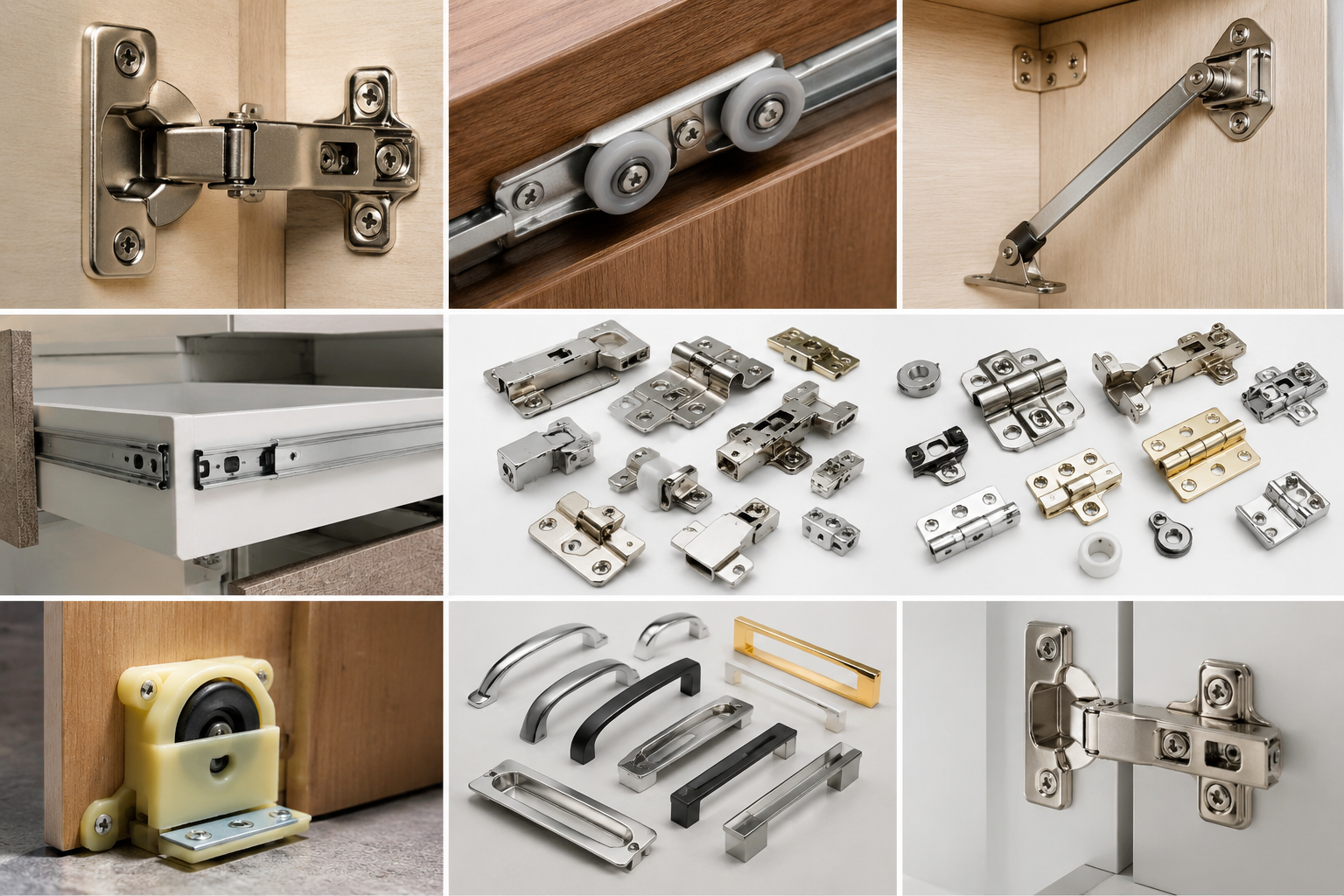
A folding door requires both hinges and top hinged/bottom roller mechanisms for sliding along the track. Some of the essential hardware used in this mechanism includes:
- Sturdy hinges linking each panel together
- Top hinged/bottom rolling mechanism
- Multi-point locks for the leading panel
- Flush bolts and handles
- Weatherstripping and brush sealing
All the hardware used determines how well the door folds, how quiet its movement is, and for how long the door functions properly. It is at this point that folding doors stand out when compared with the basic aluminum single door.
Step 6: Glass Fitting and Glazing
Having done this, glass can be inserted between the shutters with the help of rubber gaskets or glazing beads. Safety glass is normally used in folding doors since they are often moved around. But if you need a more effective thermal and sound insulation of the project, then double glazing becomes a preferred solution, as in Corinzo’s Aluminium Double Glazed Windows collection.
Glazing should be performed carefully, since otherwise there would be a risk of leaking water, imbalance of weight, and gaps in the window frame.
Step 7: Sealing and Weatherproofing
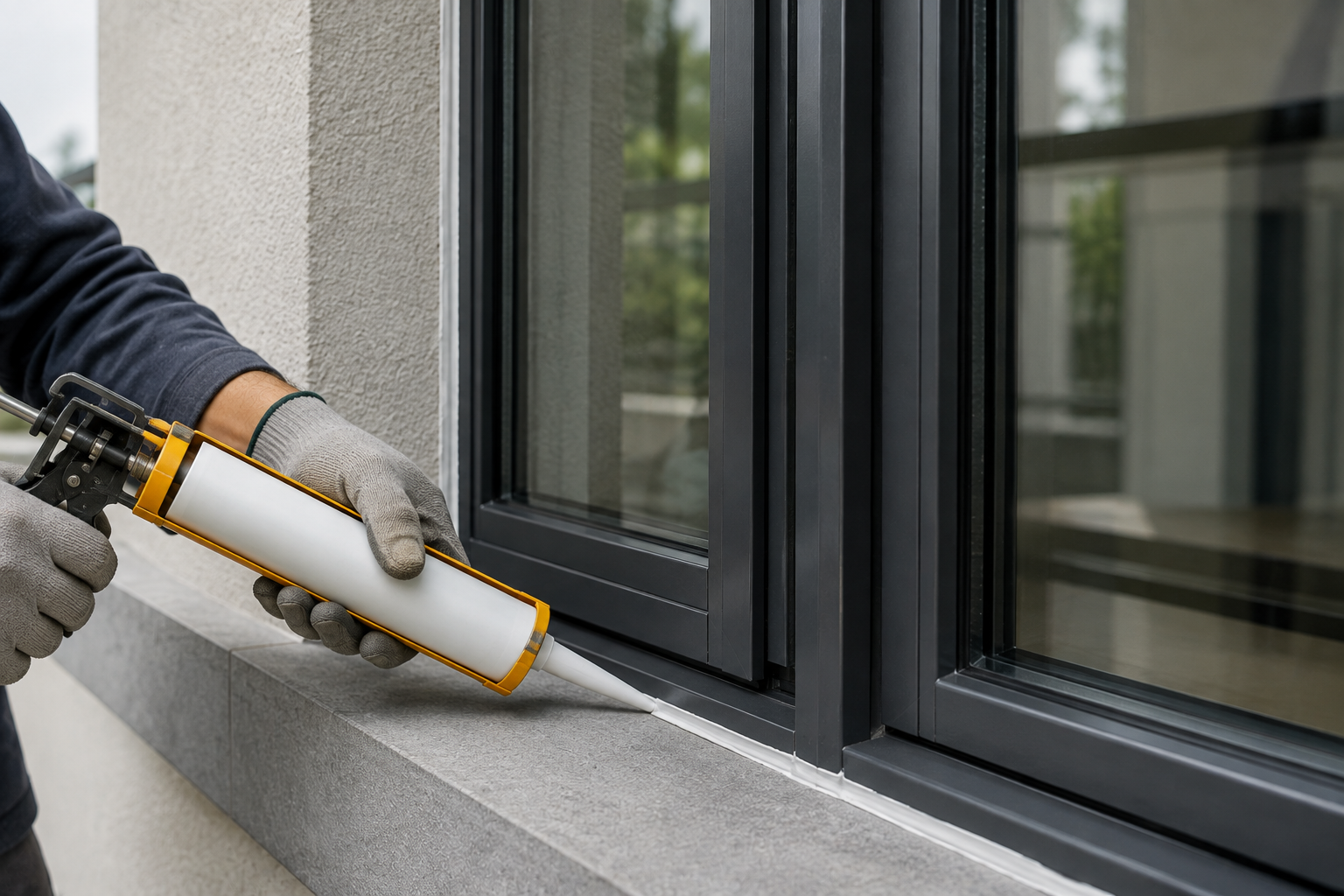
The EPDM gasket, brush seals, and silicone sealants are used in all the joints between the frame, panels, and tracks. Since folding doors have more seams compared to a normal door, weatherproofing requires special care to ensure that no drafts, dust, or water seep into the doors, especially since India has diverse weather conditions.
Step 8: Quality Check and Finishing
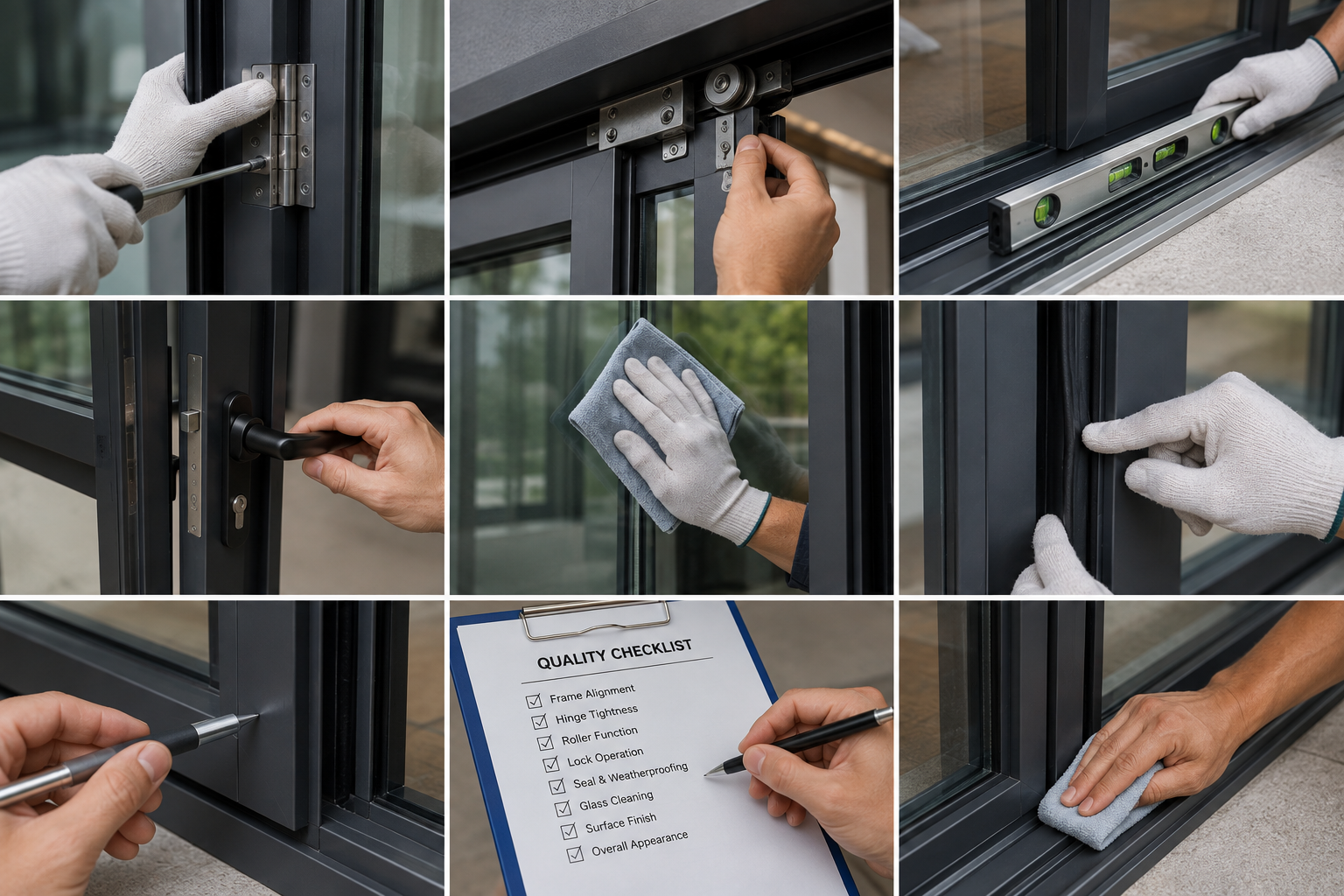
Before a folding door is shipped from the manufacturing facility, the product goes through a complete quality test. Testing for the operation of folding of the door, aligning of the hinges, function of the lock, as well as the finishing of the glass and frame of the door is performed.
Step 9: Installation
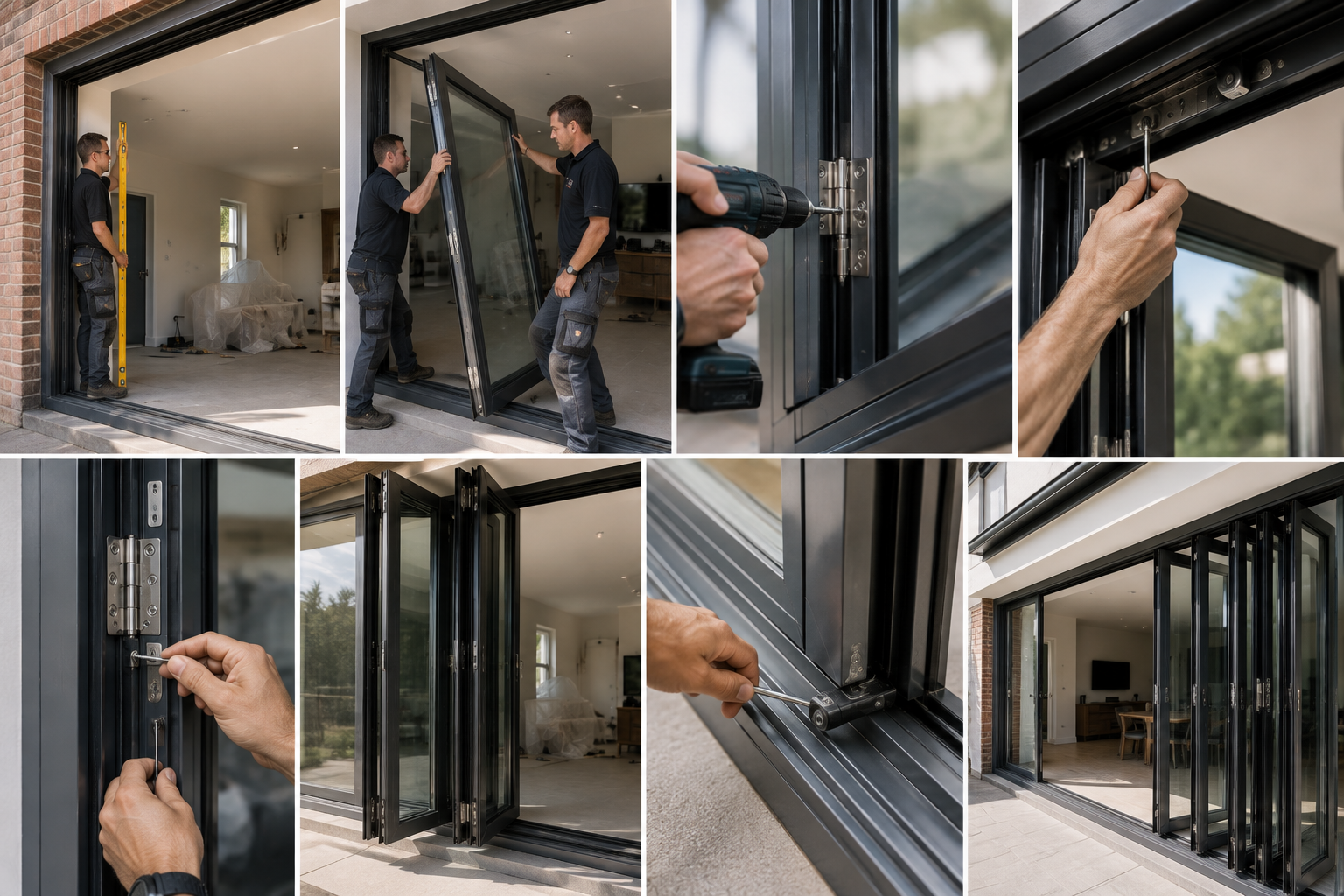
Installing the folding door is the final and possibly the most sensitive procedure, since this entails aligning the panels in a perfect line along the track. The frame is mounted into place and checked for plumb and level before securing the track and testing each panel to make sure they fold smoothly and lock in place properly.
If you are carrying out a bigger project and would like to look at other types of doors, then we recommend checking out the full list of aluminum doors and folding doors. If you would like to learn more about how to make an aluminum door frame, please refer to this article.
Choosing the Right Manufacturer
Folding doors are more sophisticated to produce and assemble, and therefore it is crucial that the producer is experienced. It is recommended to find the company with production facilities, experience in working with multi-panel systems, as well as with both private and business installations. Checking the whole product line offered by the manufacturer is a good option to see whether they have sufficient skills before making an order.
The production of aluminum folding doors is quite a complex procedure that implies accuracy at each stage – from measuring and choosing profiles to joining the panels, installing hardware, and finishing the installation process. Taking into account that folding doors have several panels, each of which moves together with others, quality control becomes especially important. The knowledge about the process of producing folding doors can help to assess the producer and select the best system of such doors.
To view our products or to make a quotation, please visit Corinzo door and windows collection.
Frequently Asked Questions
1.How many panels does an aluminium folding door contain?
The number of panels in a folding door may vary between 3 to 7 panels, but depending upon the width of opening and track systems more panels could be used.
2.Can aluminium folding doors be weather resistant?
Yes, they are highly weather-resistant because the doors are fitted with EPDM Gasket sealing and weather striping that makes them resistant against wind, rains, and dust particles.
3.Explain the differences between folding doors and sliding doors.
A sliding door is one where the door panel slides along the horizontal track while maintaining the same orientation of door panels, whereas folding door panels fold together making them capable of opening a wide opening.
4.Can aluminium folding doors be custom-made in terms of sizes and design?
Yes, folding doors can be custom-made depending upon the opening size, no of panels required, glass type, and finishes.
5.Which type of glass should be used for aluminium folding doors?
For folding doors, it is best to use tempered safety glass as standard glass and double glazing glass for insulation and soundproof.
6.Is the maintenance of aluminium folding door a time-consuming process?
Not at all, folding doors do not require much maintenance and cleaning track, hinges, and rollers once in a while and cleaning the frame will keep them functional.
7.How can I get custom aluminium folding doors manufactured in India?
We manufacture and supply high-quality aluminium folding doors in India from our Surat plant in Gujarat.
Related Post:
How to Make Aluminium Sliding Doors