
Most people spend weeks choosing tiles and paint, then pick a door colour in thirty seconds at the fabricator’s counter. That is a shame, because the colour of an aluminium door frame changes how a whole room feels. Brown makes it warm and familiar, black makes it sharp and modern, white makes it light and quiet. And the finish behind that colour decides how it looks after ten monsoons.
This guide walks through the most popular aluminium door colours, with a closer look at the aluminium door in brown colour, which is one of the most requested shades in India. It also explains powder coating and anodising, so you know what you are actually paying for.
How Colour Gets onto Aluminium
Aluminium straight from the extrusion press is a dull silver. To give it colour and protection, manufacturers use one of three finishes.
Powder Coating
A dry powder is sprayed onto the aluminium using an electrostatic charge, then baked in an oven so it melts into a hard, even layer. Powder coating comes in almost any colour, in matt, satin or gloss, and it resists chipping and fading well. It is the most common finish for doors in India. Ask about coating thickness, because a thicker, well-applied coat lasts longer in humid and coastal areas.
Anodising
Anodising is an electrochemical process that thickens aluminium’s natural oxide layer. The colour becomes part of the metal surface rather than a coat on top. Anodised finishes have a metallic look, in shades such as silver, champagne, bronze and black, and they are very hard-wearing. The colour range is narrower than powder coating.
Wood-Grain Finish
A wood pattern is transferred onto a powder-coated base, giving aluminium the look of teak, walnut or oak. You get the warmth of timber without swelling, warping or termites.
| Point | Powder Coating | Anodising | Wood Grain |
| Colour range | Very wide | Limited, metallic tones | Wood patterns |
| Look | Solid, even colour | Metallic sheen | Natural timber |
| Scratch repair | Can be touched up | Harder to repair | Harder to match |
| Best for | Most homes and offices | Commercial facades, premium looks | Bedrooms, living rooms, villas |

Popular Aluminium Door Colours
Brown
Brown is a favourite in Indian homes because it blends with wooden furniture, traditional interiors and older buildings. Dark brown hides dust and fingerprints well, which helps on balcony and kitchen doors. Lighter coffee and bronze shades feel softer and suit modern homes that still want some warmth. If you like brown but want more texture, a wood-grain finish takes it one step further. See Corinzo’s wooden aluminium doors.
Black and Charcoal
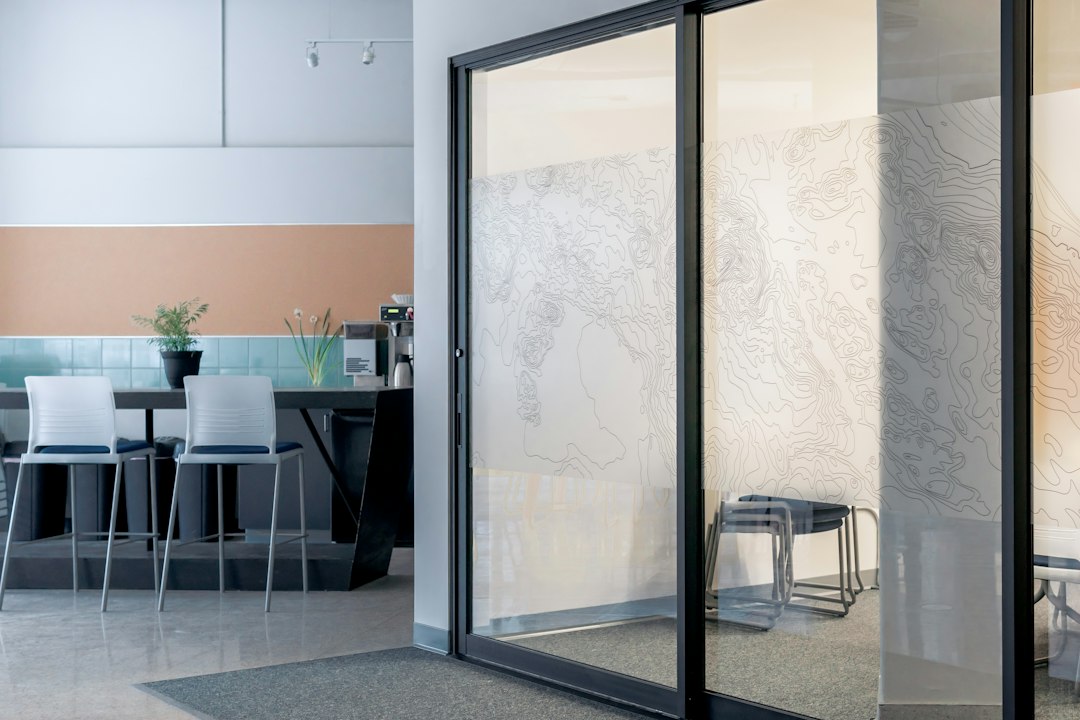
Black frames have become the signature of modern architecture. They outline the glass like a picture frame and look especially good on slim sliding and folding doors. Black hides dust, though fingerprints and water spots can show on gloss finishes, so a matt or satin coat is easier to live with.
White and Ivory
White frames make small rooms feel bigger and brighter, and they disappear against white walls. They suit bathrooms, kitchens and compact apartments. Dust shows more easily, so they need a regular wipe.
Grey and Silver
Grey is a calm middle ground that works with almost any wall colour. Silver anodised frames have a clean, industrial look that suits offices and commercial spaces.
Champagne and Bronze
These warm metallic tones, usually anodised, give a premium feel to entrances, showrooms and villas.

How to Choose the Right Colour
- Match your windows. Doors and windows read as one design from outside. Keep the same colour, or at least the same family, across the facade.
- Think about the interior. Brown and wood grain suit warm, traditional rooms. Black and grey suit minimal, modern spaces. White suits small and bright rooms.
- Consider maintenance. Dark colours hide dust; light colours show it. Matt finishes hide fingerprints better than gloss.
- Check the climate. Near the sea or in industrial areas, ask about coating thickness and quality, or consider anodising.
- See a real sample. Colours look different on a screen and under daylight. Ask for a sample piece and check it in your room.
If you are still deciding on the door style itself, our post on types of aluminium doors will help.

Colour Ideas Room by Room
Living room and balcony doors: Black or charcoal frames make large sliding and folding doors look sleek and frame the view outside. If your living room has wooden furniture and warm lighting, a dark brown or wood-grain finish keeps it cosy.
Bedrooms: Wood grain is the most popular choice because it matches beds, wardrobes and wooden flooring. Soft greys and whites work well in minimal bedrooms.
Kitchens: White, ivory and light grey keep the kitchen bright. Darker shades hide the inevitable smudges on doors that lead to the utility area.
Bathrooms: White or brown are the usual choices. Brown blends with wooden bedroom doors along the same corridor, while white feels clean and fresh.
Offices and shops: Silver or champagne anodised frames look professional, and black frames give a modern, design-led feel to showrooms and studios.
Whatever the room, try to limit yourself to one or two frame colours across the whole home. A consistent palette makes the house feel planned rather than pieced together over time.
Caring for Coloured Aluminium Doors
Clean powder-coated and anodised doors with a soft cloth, water and mild soap. Avoid acidic cleaners, solvents and scrubbing pads, which can dull the finish. Rinse off salt and dust regularly if you live near the coast. Small scratches on powder coating can be touched up with matching paint from the manufacturer. Our guide on cleaning aluminium frames applies to doors too.

Mistakes to Avoid When Picking a Door Colour
Choosing from a phone screen. Screens shift colours a lot. A brown that looks rich online can look flat or reddish in daylight, so always check a physical sample.
Ignoring the window frames. A brown door next to white windows can work, but only if it is deliberate. Decide on the overall facade colour plan first.
Picking gloss for busy doors. High-gloss finishes show every fingerprint and scratch. Matt and satin finishes are more forgiving on doors that are used all day.
Overlooking the coating quality. Two doors in the same shade can age very differently. A thin or poorly cured coat may chalk or fade within a few years, while a well-applied one keeps its colour much longer.
Final Thoughts
Brown remains a safe, warm choice for Indian homes, black is the go-to for a modern look, and wood grain gives the best of both. Whatever colour you pick, the finish underneath matters just as much, so ask about powder coating quality or anodising before you order. Explore Corinzo’s aluminium doors in a range of finishes, or contact our team for colour samples.
Frequently Asked Questions (FAQs)
1. Which colour is best for aluminium doors?
It depends on your interior. Brown and wood grain suit warm, traditional homes, black suits modern spaces and white suits small, bright rooms.
2. Is a brown aluminium door a good choice?
Yes. Brown blends with wooden furniture, hides dust well and suits most Indian homes. Wood-grain brown adds a natural timber look.
3. What is the difference between powder coating and anodising?
Powder coating is a baked-on colour layer with a very wide colour range. Anodising thickens the metal’s own oxide layer and gives a metallic finish with fewer colour options.
4. Does powder coating on aluminium doors fade?
Good-quality powder coating resists fading well. Coating thickness and quality matter most in strong sun and coastal areas.
5. Can aluminium doors look like wood?
Yes. Wood-grain finishes give aluminium a realistic timber look without swelling, warping or termite damage.
6. How do I clean coloured aluminium doors?
Use a soft cloth with water and mild soap. Avoid acidic cleaners and abrasive pads that can damage the finish.