
Wooden bathroom doors have a habit of failing slowly. The bottom edge soaks up water from the floor, the veneer lifts, the frame swells, and one monsoon later the door no longer closes properly. That is the main reason so many Indian homes have switched to an aluminium door for the bathroom. Aluminium does not swell, rot or attract termites, and it shrugs off the daily splash and steam that ruin timber.
This guide covers the designs people choose most often, the sizes that usually fit, the infill and finish options, and the details that separate a bathroom door that lasts from one that rattles within a year.
Why Choose Aluminium for a Bathroom Door?
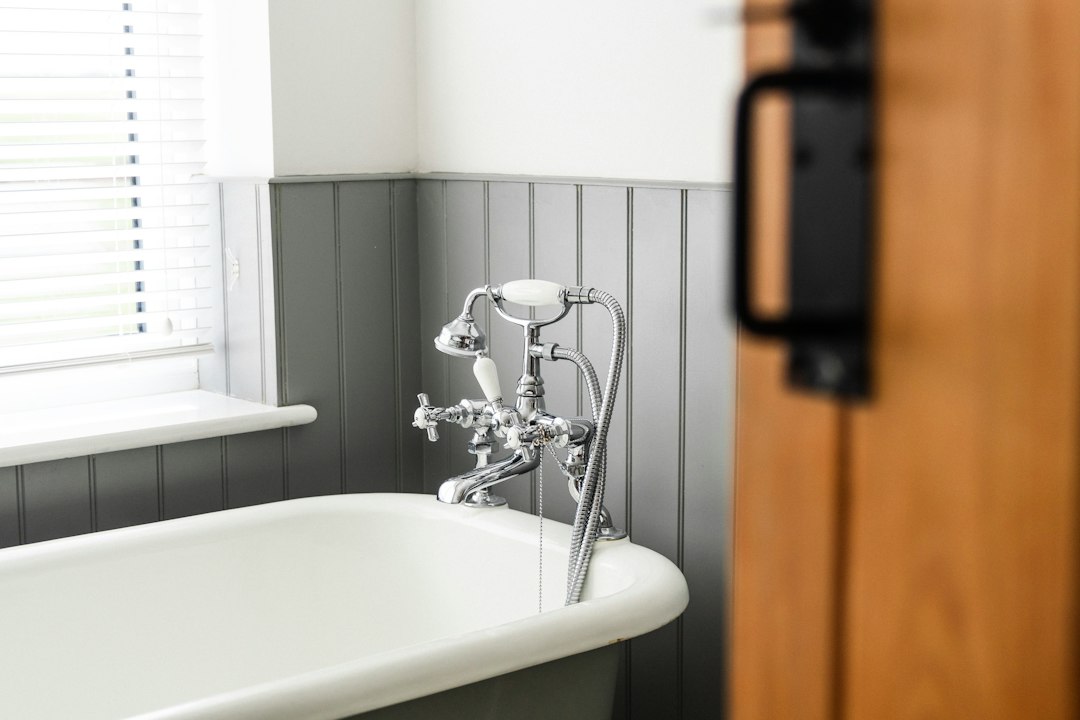
A bathroom is the hardest room in the house on a door. It gets wet, it gets steamy, and it gets opened and closed dozens of times a day. Aluminium handles that well for a few simple reasons:
- Water resistant. Aluminium sections do not absorb water, so there is no swelling or warping.
- Termite proof. Nothing for insects to eat, which matters in older buildings.
- Rust resistant. Aluminium forms its own protective oxide layer, and powder coating adds another barrier.
- Light but strong. The door is easy to swing and puts less strain on hinges.
- Low maintenance. A wipe with mild soap and water is all it needs.
If you are weighing up materials more generally, our comparison of aluminium door vs wooden door goes through the trade-offs in detail.

Popular Aluminium Bathroom Door Designs
1. Full Panel (Flush) Door
The frame is filled with a solid panel, usually ACP (aluminium composite panel) or a PVC/WPC sheet. It gives complete privacy and a clean, flat look. This is the most common choice for shared bathrooms. See Corinzo’s aluminium flush door.
2. Frosted Glass Door
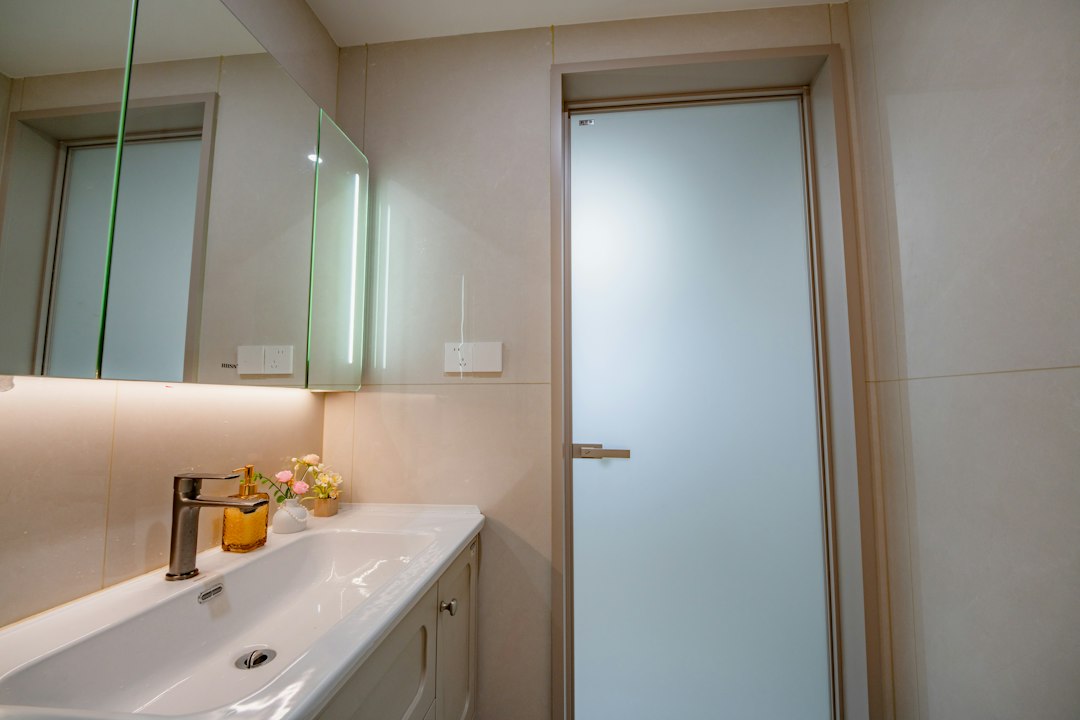
Frosted or textured glass lets light pass through while hiding what is behind it. It suits attached bathrooms where you want the room to feel brighter. Choose toughened glass for safety.
3. Half Glass, Half Panel
A solid panel at the bottom and frosted glass above. The lower panel takes the knocks and splashes, while the glass keeps the door from looking heavy.
4. Louvered Door
Aluminium louvers, either across the full door or in a small strip near the bottom, let air move through. This helps bathrooms without a good exhaust fan dry out faster.
5. Wood-Finish Aluminium Door
If you like the warmth of timber but not its upkeep, wood-grain powder coating gives the look without the swelling. Corinzo’s wooden aluminium doors are popular for master bathrooms.
6. Sliding Bathroom Door
In tight corridors where a swinging door would block the passage, a sliding aluminium door saves space. It needs a little more care around sealing and privacy locks.

Common Aluminium Bathroom Door Sizes
Bathroom openings vary from building to building, so every door should be made to the measured opening. That said, these are the sizes you will see most often in Indian homes:
| Bathroom Type | Common Width | Common Height |
| Compact toilet or powder room | 2 ft to 2 ft 3 in | 6 ft 6 in to 7 ft |
| Standard attached bathroom | 2 ft 6 in | 7 ft |
| Larger or accessible bathroom | 2 ft 9 in to 3 ft | 7 ft |
If you plan to use a wheelchair or walker, go for the wider end. Measure the opening at the top, middle and bottom, because older walls are rarely perfectly square. Our guide to types of door frames also helps if the frame is being replaced.
Finish and Colour Options
Powder coating is the most common finish. White, ivory and grey keep a bathroom looking clean; brown and wood-grain finishes match wooden bedroom doors on the same corridor. Anodised finishes give a metallic look and resist corrosion well. Whatever you pick, ask for a good coating thickness, because the bathroom is a humid space.
What to Check Before Buying
- Section thickness. Thin sections make a door flex and rattle. Ask for a sturdy door section, especially for wider doors. Corinzo’s aluminium section doors are built for daily use.
- Hinges and screws. Stainless steel hinges and screws will not rust in a wet room.
- Lock. A bathroom privacy lock that can be opened from outside in an emergency is safer, especially in homes with children or elderly people.
- Bottom gap. Leave a small gap above the floor, or add louvers, so air can move and water does not sit against the door.
- Infill quality. ACP and good PVC panels resist moisture; avoid infills that can swell.
- Rubber gaskets. These cushion the door as it closes and reduce noise.

Choosing a Design by Bathroom Type
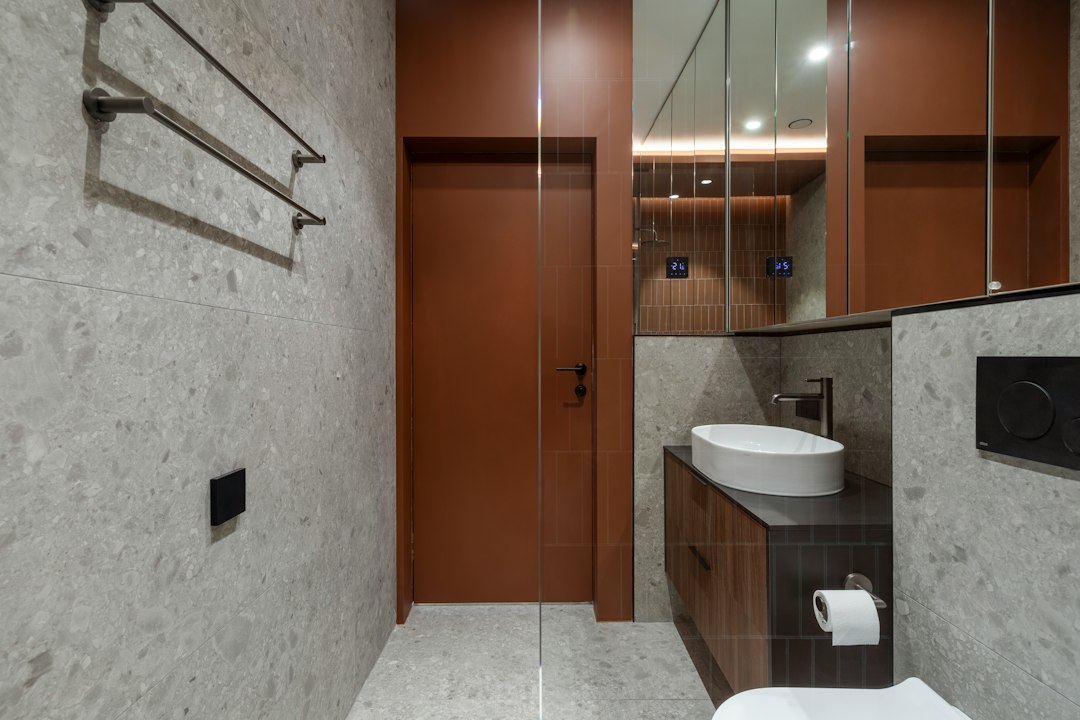
The right design depends on who uses the bathroom and where it sits in the house.
Common bathroom near the living area: Privacy matters most here, so a full panel or a half panel with a small frosted strip works best. Guests should not be able to see shadows through the door.
Attached master bathroom: You can be more relaxed. Frosted or fluted glass lets daylight from the bathroom window into the bedroom, and a wood-finish frame can match the wardrobe and bed.
Children’s bathroom: Choose a sturdy section that takes knocks, toughened glass if you use any glass at all, and a privacy lock that can be opened from outside.
Bathroom for elderly family members: A wider door, a lever handle instead of a knob and a low or flush threshold make it easier and safer to use. A sliding door can help where turning space is limited.
Toilet without a window: Here ventilation is the priority. A louvered panel or a clear gap at the bottom of the door helps moisture escape, alongside a working exhaust fan.
Installation Tips
The frame should be fixed level and square, with anchors into solid masonry, and sealed with silicone where it meets the wall so water cannot seep behind it. Raising the threshold slightly or sloping the bathroom floor towards the drain keeps standing water away from the bottom of the door. Once it is in, check that the door closes without catching and that the lock lines up cleanly.

Caring for an Aluminium Bathroom Door
Wipe the door weekly with a soft cloth and mild soap. Avoid acidic cleaners and wire brushes, which can damage the finish. Spray a little silicone lubricant on the hinges every few months, and tighten any screws that loosen. Our tips on cleaning aluminium frames work just as well for doors.
Final Word
An aluminium bathroom door solves the swelling, rotting and termite problems that come with timber, and it looks smart for years with very little effort. Pick a design that balances privacy and light, get it made to your exact opening, and insist on stainless hardware. Browse Corinzo’s aluminium doors or contact our team to discuss your bathroom openings.
Frequently Asked Questions (FAQs)
1. Is an aluminium door good for a bathroom?
Yes. Aluminium does not swell, rot or attract termites, so it handles water and humidity far better than wood. It also needs very little maintenance.
2. What is the standard bathroom door size in India?
A common size is about 2 ft 6 in wide and 7 ft high. Compact toilets often use 2 ft to 2 ft 3 in widths. Always measure your actual opening.
3. Which is better for a bathroom door, ACP or glass?
ACP gives full privacy and a flat look. Frosted toughened glass lets light in while keeping privacy. Many people combine both in a half-and-half design.
4. Do aluminium bathroom doors rust?
Aluminium itself does not rust. Use stainless steel hinges and screws so the hardware stays rust-free too.
5. Can aluminium bathroom doors have ventilation?
Yes. Louvers can be added across the door or in a strip near the bottom to help the bathroom dry out.
6. How do I clean an aluminium bathroom door?
Wipe it with a soft cloth and mild soap solution. Avoid acidic cleaners and abrasive pads that can scratch the finish.