
Balconies in Indian cities take a beating. Dust settles on everything within a day, monsoon rain blows straight in, pigeons move in when nobody is looking, and traffic noise drifts through the living room. A sliding window for the balcony fixes most of these problems without giving up the light and air that made you want a balcony in the first place.
This guide covers the main ways to fit sliding windows on a balcony, design ideas that suit different homes, and the practical checks that make the difference between a balcony you enjoy and one that leaks every July.
Why Use Sliding Windows on a Balcony?
Sliding windows suit balconies better than most other types for a few reasons:
- No swing space. The shutters slide along a track, so they never bump into chairs, plants or drying racks.
- Wide openings. Several shutters can cover a long balcony front while still opening up a large area for air.
- Mesh option. A third track can hold a mosquito mesh shutter, which is a big help in the evenings.
- Protection. When closed, they keep out rain, dust, birds and much of the street noise.

Two Ways to Fit Sliding Windows on a Balcony
1. Enclosing the Balcony Front
Sliding windows are fitted above the balcony wall or railing, along the open front. The balcony becomes a bright sunroom, study corner or utility area that you can open up whenever you like. This is the most common approach in apartments.
2. Sliding Glass Between Room and Balcony
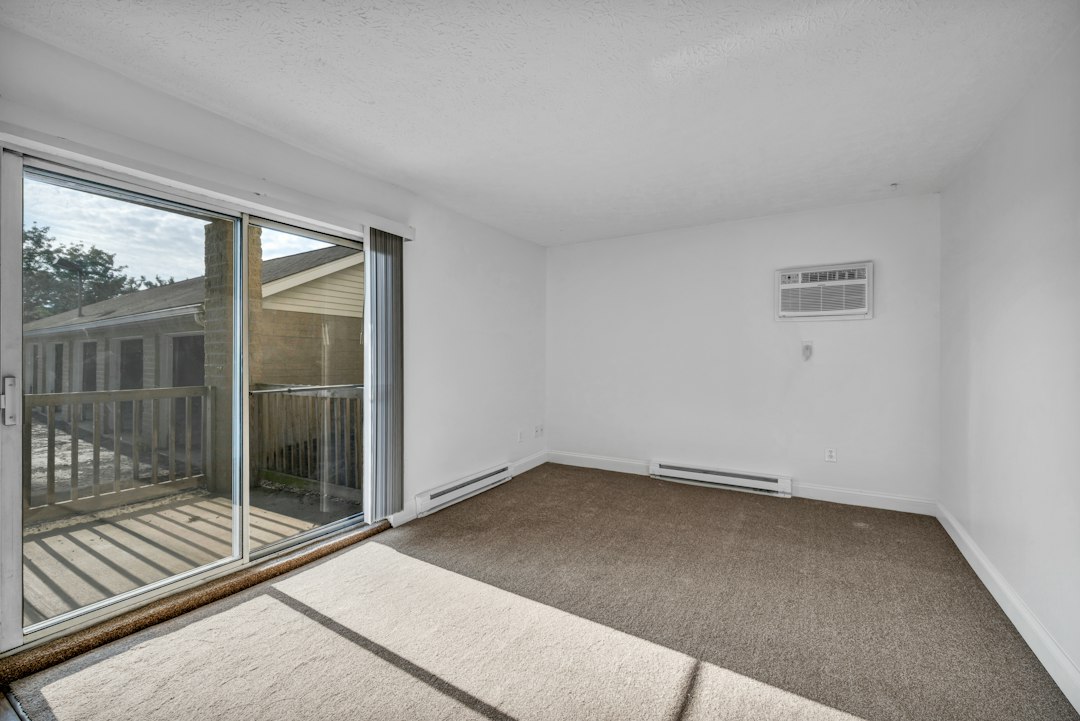
The balcony stays open, and a large sliding glass unit separates it from the living room or bedroom. This keeps the balcony feeling outdoors while sealing the room from dust and noise. For full-height openings, an aluminium sliding door is the better choice than a window.
Balcony Sliding Window Design Ideas
Slim Frames for a Clear View
If the view is the reason you love your balcony, choose slim profiles with narrow interlocks. They put more glass and less frame in your line of sight. Corinzo’s slim aluminium windows are designed for this.
3-Track Window with Mosquito Mesh
Two glass shutters plus a mesh shutter let you keep the glass open on pleasant evenings without letting insects in. It is the most practical layout for most Indian homes. Our post on single track vs multi-track windows explains the options.
Fixed Glass with Sliding Centre
On long balconies, fixed glass panels at the ends with sliding shutters in the middle give a cleaner look and better sealing at the corners. Pair them with aluminium fixed glass windows.
Tinted or Reflective Glass
West- and south-facing balconies get a lot of afternoon sun. Tinted or reflective glass cuts glare and heat while keeping the view. Our ideas on glass designs for sliding windows show more choices.
Frame Colour to Match the Building
Black and charcoal frames look modern and frame the view nicely. White and ivory keep the balcony feeling light. Whatever you choose, keep it consistent with the rest of your windows so the facade looks planned.

Practical Tips Before You Enclose a Balcony
- Check society rules and local regulations. Many housing societies and local authorities have rules about enclosing balconies. Get approval before you start, so you are not asked to remove the windows later.
- Plan for drainage. The bottom track must have weep holes, and the balcony floor should slope away from the room so rainwater can escape.
- Use toughened glass. Balconies are exposed to wind, and toughened glass is far safer if it ever breaks.
- Choose strong sections. Long balcony spans need sturdier profiles so the shutters do not rattle in strong wind, especially on higher floors.
- Keep ventilation in mind. If the balcony houses an AC outdoor unit or a washing machine, leave a shutter open or add louvers so heat and moisture can escape.
- Plan cleaning access. Make sure you can reach the outside of the glass safely, especially on upper floors.

Common Mistakes When Fitting Balcony Windows
Skipping the approval step. Enclosing a balcony without checking society rules is the most expensive mistake on this list, because it can end with the windows being removed.
Using light sections on a long span. Balconies are often wide and exposed. Thin sections that work in a bedroom can flex and rattle on a windy balcony, especially above the fifth floor.
Sealing everything shut. A fully enclosed balcony with an AC outdoor unit, washing machine or gas cylinder needs airflow. Plan an opening shutter or louvers so heat and moisture do not build up.
Forgetting the floor slope. If the balcony floor slopes towards the room rather than away from it, any water that gets in will run indoors. Check the slope before fitting the frame.
Ignoring the sun. A west-facing balcony enclosed with clear glass can turn into a greenhouse in May. Tinted glass, blinds or an open shutter keep it comfortable.
Choosing the cheapest mesh. On a balcony the mesh shutter gets used every day. A sturdy mesh in a good frame is worth it.
Keeping Balcony Sliding Windows in Good Shape
Balcony windows collect more dust than any other window in the house. Vacuum the tracks every couple of weeks, clear the drainage holes before the monsoon, and wipe the glass and frames with mild soap. Our guides on cleaning sliding window tracks and cleaning sliding windows walk you through it.

How to Measure Your Balcony for Sliding Windows
Accurate measurements save time and avoid gaps. Measure the width of the opening at the top, middle and bottom, and the height at the left, centre and right. Use the smallest figure in each case, because balcony walls are rarely perfectly straight. Note any pillars, drain pipes, railings or AC brackets that the frame will need to clear, and check whether the balcony wall is level along its length.
Take a few photos of the balcony from inside and outside as well. They help the fabricator spot details that numbers alone do not show, such as a sloping slab or an uneven parapet. Finally, decide how many shutters you want and which side the mesh should sit on, so the window opens the way you use the space.
Is a Sliding Window Right for Your Balcony?
If you want to use your balcony all year, keep out dust and rain, and still enjoy the light, sliding windows are one of the simplest ways to do it. Choose slim frames for the view, a mesh track for comfort and strong sections for safety. Browse Corinzo’s aluminium sliding windows or contact our team with your balcony measurements.
Frequently Asked Questions (FAQs)
1. Are sliding windows good for balconies?
Yes. They do not need swing space, cover wide openings and can include a mosquito mesh track, which makes them well suited to balconies.
2. Can I enclose my balcony with sliding windows?
In many buildings you can, but check your housing society rules and local regulations first and get any approval you need.
3. Which glass is best for a balcony sliding window?
Toughened glass is the safest choice. Tinted or reflective glass helps reduce heat and glare on sunny balconies.
4. How do I stop rainwater coming in through balcony windows?
Make sure the bottom track has clear weep holes, the gaskets are in good condition and the balcony floor slopes outward.
5. Should I choose 2-track or 3-track for a balcony?
A 3-track window is usually better because the third track holds a mosquito mesh shutter for evenings.
6. How often should balcony sliding windows be cleaned?
Vacuum the tracks every two weeks or so, and clean the drainage holes before the monsoon.